As the end of winter nears, some students are celebrating the beginning of a new lunar calendar by staying in-touch with culture and family.
The Lunar New Year is a 15-day long holiday that coincides with the first new moon of the lunar calendar. In 2026, the first day falls on Feb. 17.
In addition to celebrating the holiday at home with loved ones, UP’s Chinese, Vietnamese, Korean and Japanese student associations will be hosting a “Lunar New Year Night Market” event on Feb. 19.
The collaborative event will be held at Bauccio Commons from 6-8 p.m. and will have food, games and activities showcasing the many cultural celebrations of Lunar New Year.
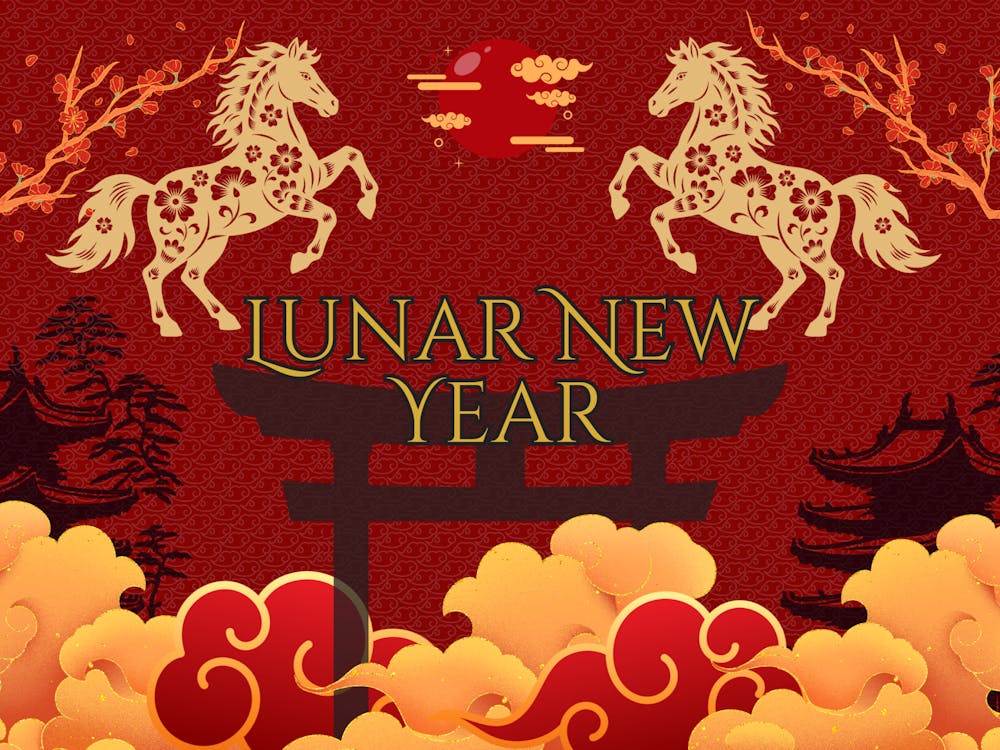
The Horse — celebrating confidence, freedom and persistence — is the Chinese zodiac symbol for this Lunar New Year. The Year of the Horse is observed in different ways depending on the country and region, but common cultural values include good luck, prosperity and unity.
Read to learn how five UP students welcome the new year.
Julianne Wu
Julianne Wu is a senior nursing major and co-president of the Chinese Student Association (CSA). She celebrates the new year with her extended family in Vancouver, Washington. For Wu, the holiday is about spending time with loved ones.
“It’s one of the few times that I feel connected with my culture,” Wu said. “When I’m face to face with all my relatives, I’m like, ‘Wow, I really have so much family.’”
An important part of Chinese New Year is being able to celebrate over food, according to Wu. With traditional foods such as dumplings, rice cakes and steamed fish, each dish represents a value to bring into the new year: prosperity, togetherness and abundance.
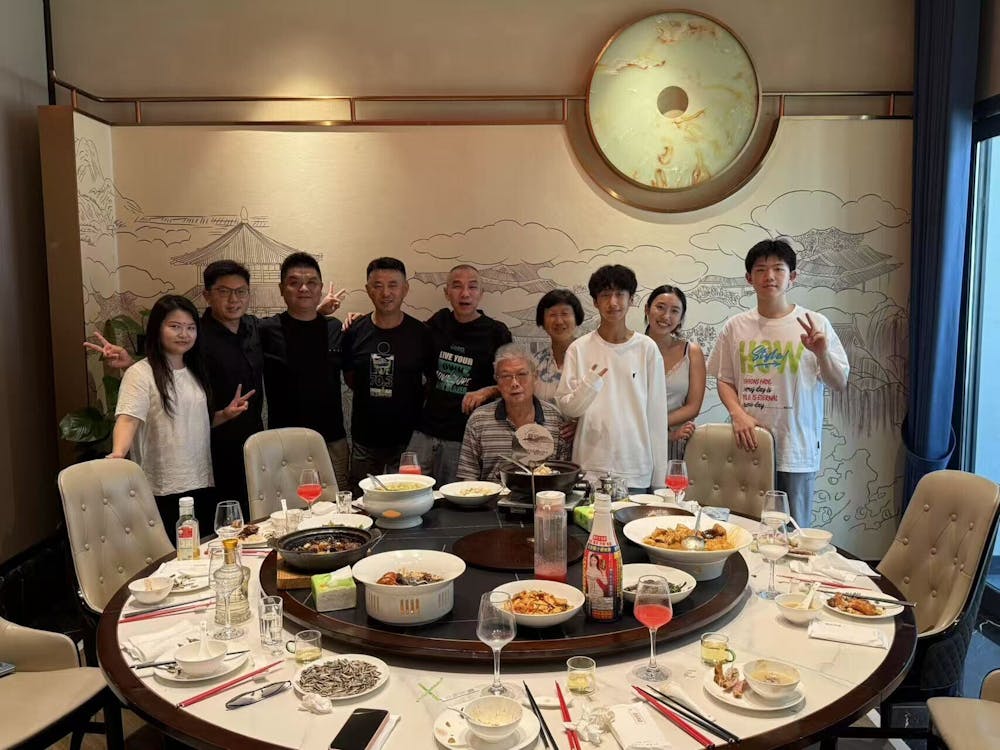
Another tradition in Wu’s family is for the adults to give children red envelopes — also known as hóngbāo — filled with money. The practice represents themes of luck and prosperity, depicting the passing-on of good fortune from old to young generations.
Most of Wu’s family is still living in China. She recalls traveling there to celebrate when she was younger and being surrounded by friendly faces.
“I just remember there being a lot of people,” Wu said. “That shows how big the celebration is with everyone's extended family coming together, and their kids too.”
While she hasn’t spent Chinese New Year in China since she was a child, Wu still makes time every year to call her family during the celebration and say “Happy New Year.”
Allison Chun
Also celebrating Chinese New Year is senior nursing major and Co-President of CSA Allison Chun. She’s from the Bay Area, but her family is Cantonese and goes about the holiday a little differently than most.
Chun participates in a tradition called “spring cleaning,” where they clean the house top to bottom as a way to sweep away bad luck and usher in the new year. The practice is one of many “superstitions” held by Chun’s family.
"On New Year’s Day, you can't throw anything away,” Chun said. “You can't take out the trash, you can't take a shower [because] that symbolizes washing away all the good luck that you got this year.”
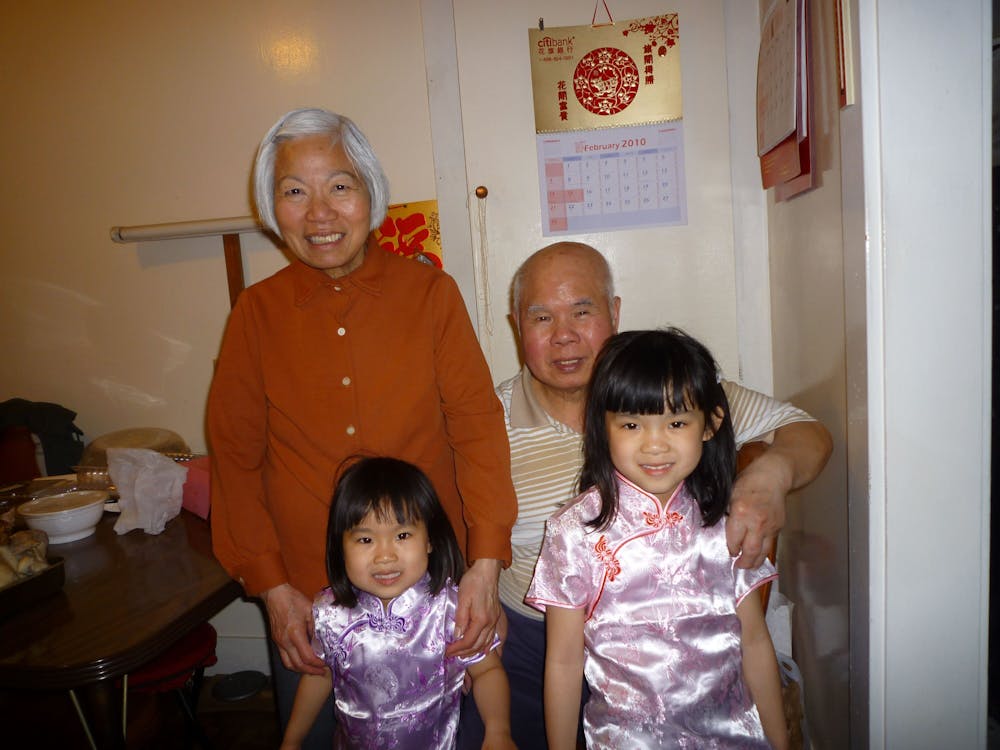
In addition to traditions that keep all the good luck inside, Chun’s family always eats jai — a traditional vegetarian stew — on the first morning of Chinese New Year. Promoting good health and luck, the dish is meant to cleanse the body and spirit for the year to come.
Chun's family also eats chicken — also called ji, the name is a homonym for good luck — as the dish represents family unity and prosperity.
Because Chinese New Year falls in the middle of the spring semester, Chun is not able to fly home and celebrate with her family. However, she still finds ways to celebrate while at school.
“I do my best to celebrate at school like I traditionally do with my family,” Chun said. “I haven't been able to eat the dish that my mom used to make, but I definitely don't take out the trash, don't shower and eat chicken, and that's as much as I can do.”
Megan Ou
There are many cultures other than Chinese that celebrate Lunar New Year.
With family from both China and Vietnam, junior business analytics major Megan Ou celebrates Vietnamese New Year with her mother’s side every late January to early February.
Vietnamese New Year is celebrated over foods such as egg rolls, spring rolls and mung bean pastries like bánh đậu xanh. Other traditions include lion dancing and receiving red envelopes filled with cash, called lì xì.
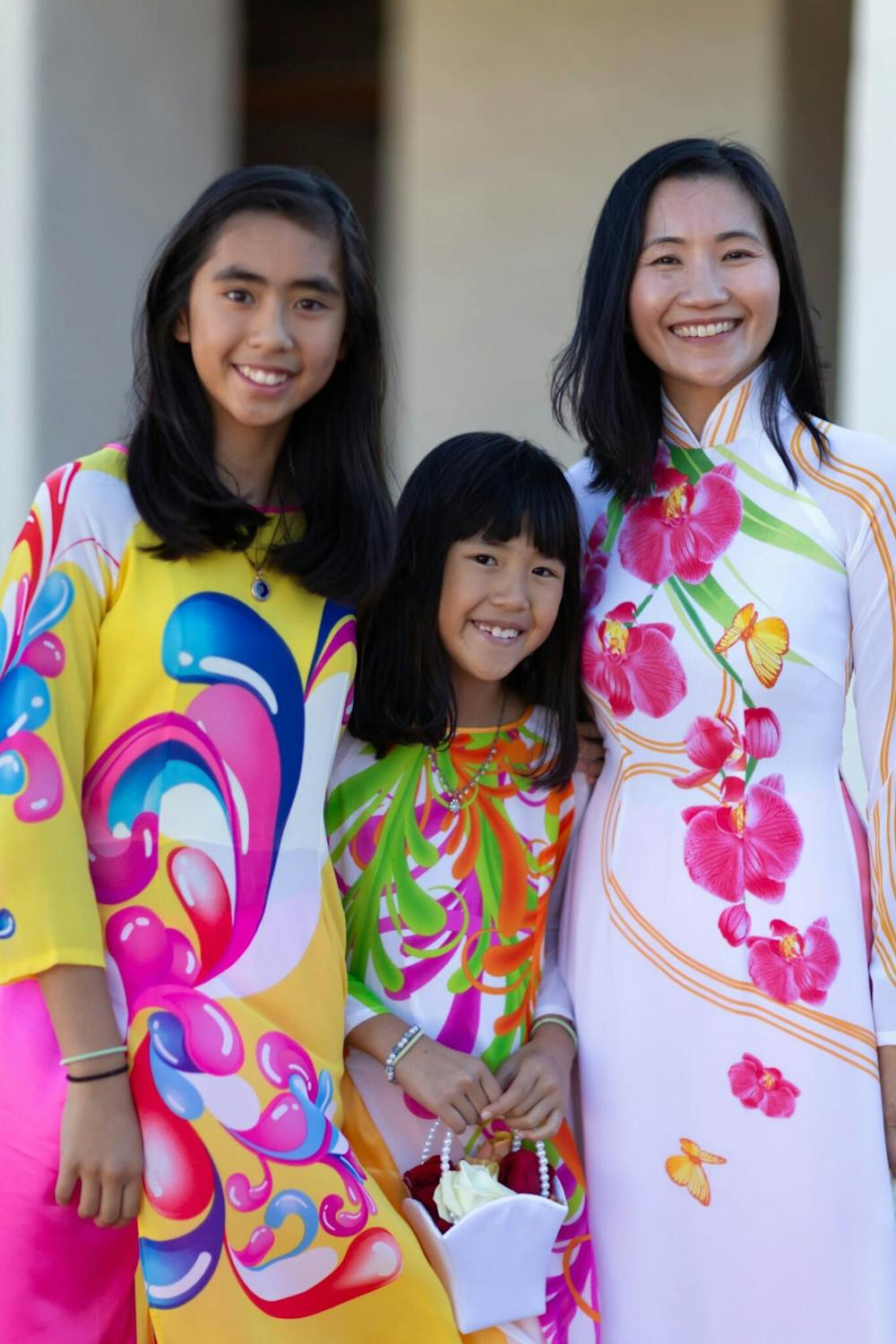
While Ou says her family is smaller than traditional Vietnamese families, she remembers gathering with her relatives in San Jose to eat, play games and spend much-needed time together.
A game that is popular in Ou’s family is poker. She recalls staying up past her bedtime as a child so that she could watch her older relatives play.
“I remember one year I had snuck onto my grandpa's lap [to play] poker with them,” Ou said, “He would fold his cards, and I would reach across the table, grab them and be like, ‘No, keep them! Why are you throwing them out?’ He would take the cards back, and everyone else would pretend to dramatically fold so I could win the pot.”
Ou hasn’t celebrated Vietnamese New Year with her family since coming to UP. She explains that it’s difficult to connect with her Vietnamese culture while at school, as a lot of the celebrations revolve around family and food.
“I miss it,” Ou said. “I would usually wear an áo dài — which is made of this very, very thin silk because it gets really hot in Vietnam — but it's too cold to wear it in Portland. It’s really hard for me to celebrate New Year up here.”
Still, Ou follows traditional Vietnamese recipes so that she can feel close to her family during the holiday. She plans to celebrate this year with a dumpling-making night.
Anna Truong-Cao
Senior biology major and President of the Vietnamese Student Association Anna Truong-Cao has an annual tradition of celebrating Vietnamese New Year with her family and church community.
Truong-Cao attends St. Anthony of Tigard. Every year the church invites the Vietnamese Catholic community to attend a night market with food, games and performances to celebrate the new year.
She says gathering as a community turns the holiday into a “festival” bringing people together and promoting good luck and fortune.
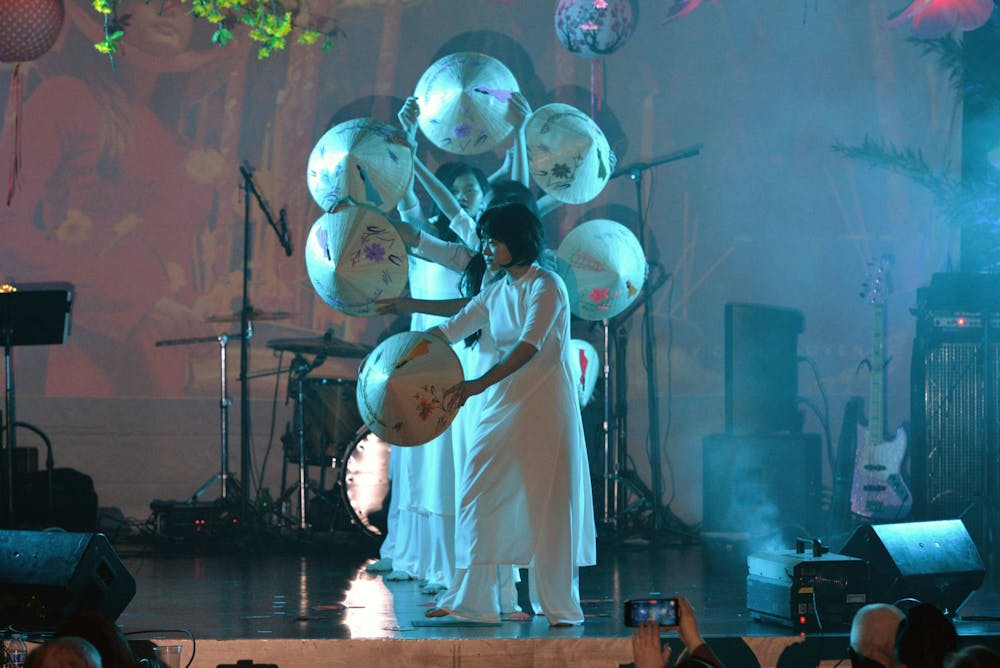
“It's really fun to enjoy music and dance performances within our community,” Troung-Cao said. “We have speeches and poems to commemorate people within our community, as well as sayings to bring good fortune for the whole year.”
Since she was three years old, Truong-Cao has danced alongside her church community, showcasing Vietnamese culture with fan, hat and ribbon dances.
“One of the nuns at my daycare was very well known for choreographing dances,” Truong-Cao said. “So I was slowly pulled into performing, and every year I've been asked to be involved in these dances. It’s like a routine.”
In addition to cultural performances, Truong-Cao engages with Vietnamese culture through superstitions. One that she is excited for is not wearing old clothes over the three days of celebrating the new year.
“I really want to establish good fortune for this upcoming year,” Truong-Cao said. “And I've never had a red áo dài before. Red is considered a lucky color, so I'm excited to be lucky from head to toe.”
Mose Kim
Korean New Year, also known as Seollal, is “the” Korean holiday, according to senior nursing major and President of the Korean Student Association Mose Kim.
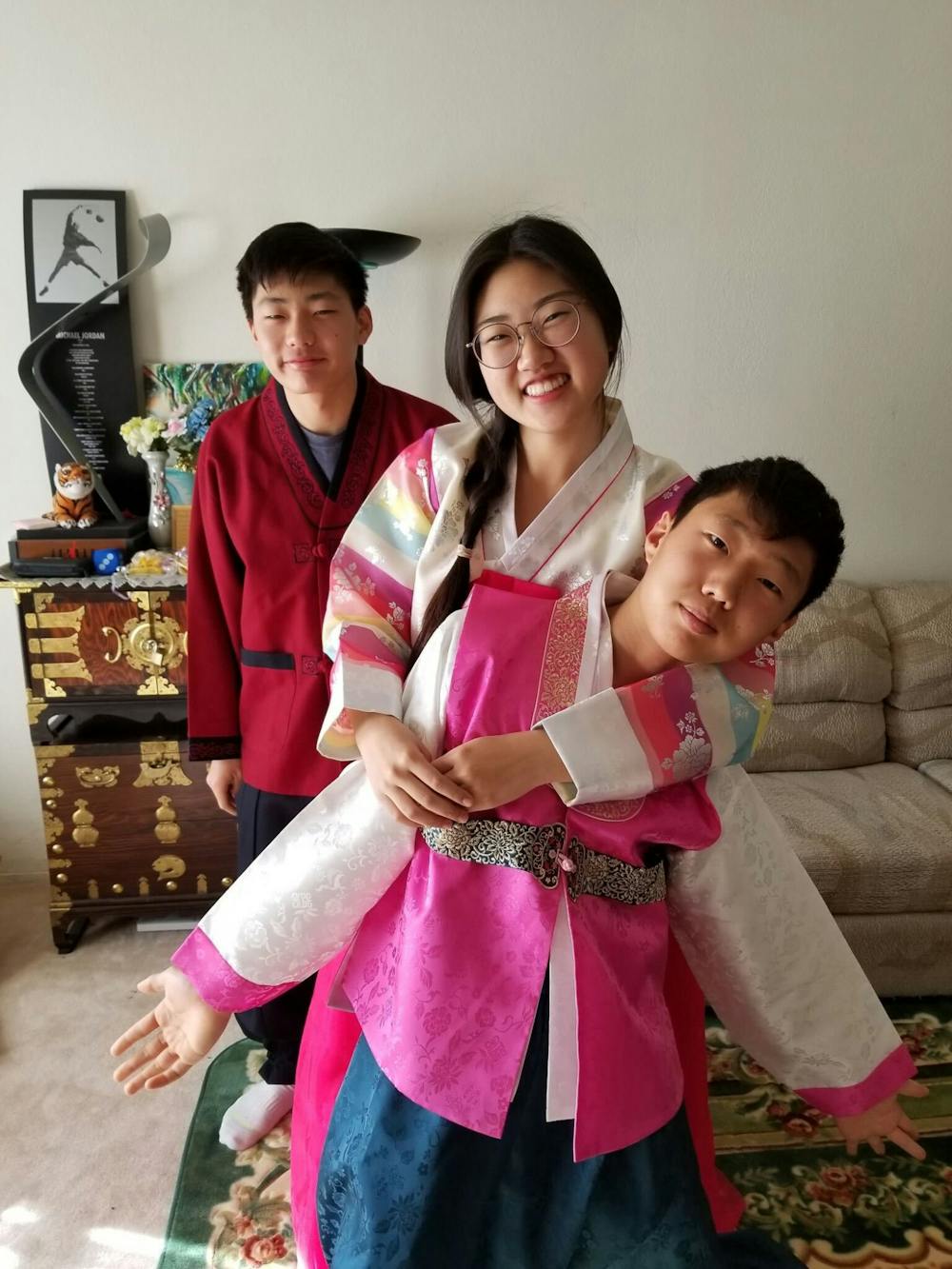
Emphasizing respect for their elders, Kim says that one of the most important traditions is a bow called sebae. It is a deep bow, so low that your hands are on the ground as you wish your elders a happy new year. In return for this gesture, it is common to receive money — also called sebaetdon — in white envelopes from your elders.
In addition to prosperity and family unity, a common value emphasized during the new year is longevity.
One dish symbolizing longevity is tteokguk — a Korean New Year’s staple. Tteokguk is a soup made from rice cake noodles called tteok, sliced thinly into coin shapes to represent wealth and abundance. According to Kim, a common superstition is that you instantly become a year older upon finishing the bowl.
In fact, Kim remembers wanting to grow up so badly as a child that he ate an entire tteok noodle without it being cut.
“I think it took me 45 minutes to eat just one noodle,” Kim said. “I just wanted to grow older — I didn't want to be a kid anymore. But the only thing that worked was being in the restroom for a long time.”
While Kim was with his family this year over winter break, he will also be celebrating Korean New Year at the UP student associations’ night market.
Brady McCracken is a News Reporter for The Beacon. He can be reached at mccracke27@up.edu