Bad Bunny’s songs on his sixth album, “DeBÍ TiRAR MáS FOToS (I Should Have Taken More Photos),” are only good because they are together. Like any good album, the songs build a central theme that becomes clear when they are listened to in order.
The album, released on January 5, 2025, contains seventeen songs that range in style but are all undeniably Puerto Rican. Out of the seventeen, ten of the songs feature a voice other than Bad Bunny’s, whether that be from a sample or a collaborating artist on the track.
These complementary choruses amplify Bad Bunny’s messages of community that are needed now more than ever.
For example, songs like “VOY A LLeVARTE PA PR,” “EoO” and “LA MuDANZA” reflect Bad Bunny’s pride in being Puerto Rican, with lyrics stating “This is real music from Puerto Rico.” Other songs such as “BAILE INoLVIDABLE,” “PERFuMITO NEUVO,” “WELTiTA,” “VeLDA” and “CAFe CON RON” discuss themes of love and enjoying the celebratory nature of community.
However, out of all songs on the album, there is one that I feel highlights this recurring feeling of community in the album the most. The sixteenth track of “DeBÍ TiRAR MáS FOToS” is named after the album itself, shortened to the initials of the phrase, “DtMF.”
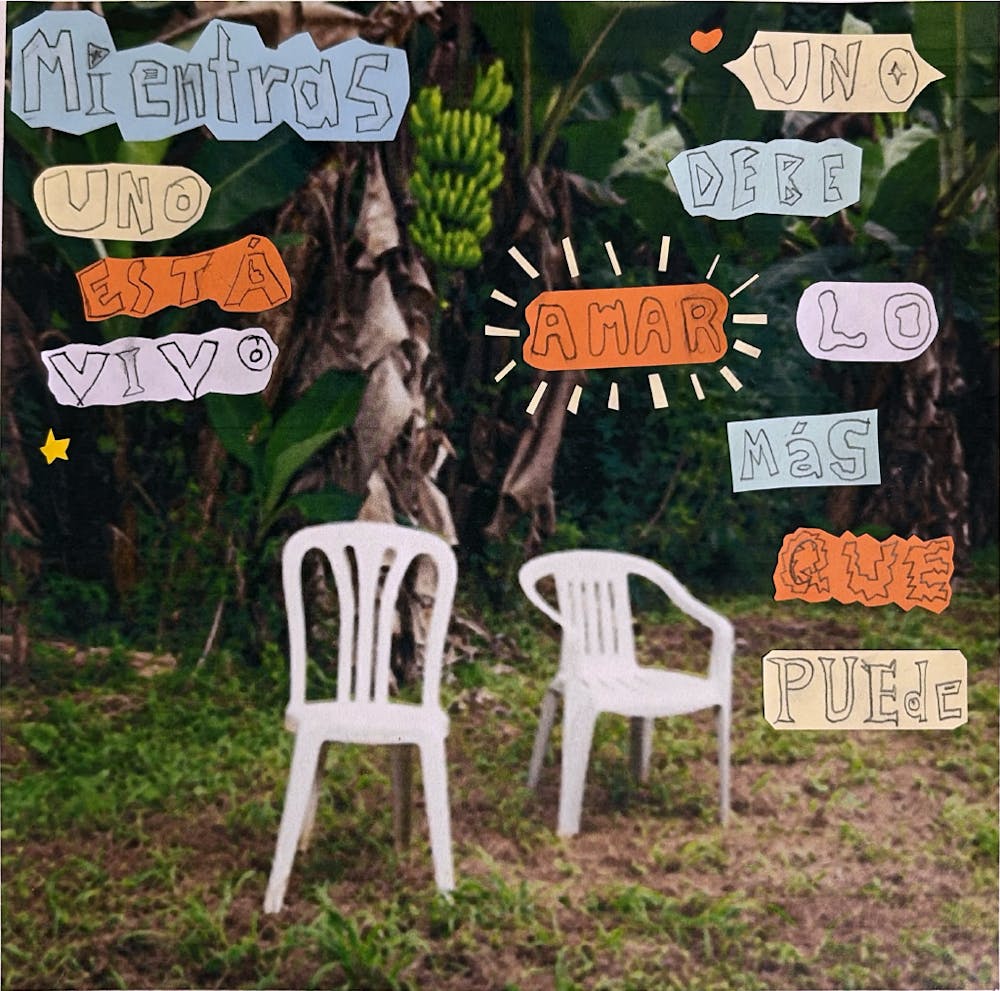
“DtMF” made rounds as a powerful and popular trend on social media. People compiled videos and photos of their loved ones with the lyrics of the song. The song describes the bittersweet feeling of not having keepsakes from the moments we want to remember most with the people we love.
When I encountered the numerous videos of people indulging in this trend, it filled me with hope and care for people I didn’t know, but could understand their emotions about their loved ones through this song.
For the first chorus, Bad Bunny sings alone: “Debí tirar mas fotos de cuando te tuve / …ojala que los mios nunca se muden / y si hoy me emborracho, pues, que me ayuden.” The lyrics translate to “I should have taken more photos when I could have / hopefully my people never move / and if I get drunk today, well, they’ll help me.” By the end of the song, Bad Bunny expresses his love towards the people who have been at his side and invites them to come together for a photo. However, the finishing touch of the song comes with the chorus of people and the drums in the background fully indulging in yelling out the lyrics, topping it off with raucous laughter.
I believe DtMF’s message of nostalgia and community stems from the progression of Bad Bunny’s melancholy solo to the joyous chorus.
When the chorus of singers sing and laugh, I don’t just hear the people in the booth, I hear my friends and my family with me. I hear the laughter of my family when my uncle teases me for promising him to buy a Pepsi at the gas station but returning with a dessert instead. I hear the conversations I have inside the Pilot House when the music is too loud. I hear the small moments of community I constantly participate in without knowing.
This is what makes not just the song, but the album so memorable.
When I was studying abroad this last semester, I kept thinking about this album. I was watching U.S. Immigration and Customs Enforcement (ICE) work harder to target Latinos.
As a Mexican living away from home, I will be transparent and say that I am scared. I am scared for my parents and what might happen to them while I attend university. I am scared for my fellow Latinos.
Nonetheless, one thing I have come to learn is that I’m not alone in this fear. I’m not alone in feeling wary of the current political climate within the U.S., and Bad Bunny’s album feels like coming home every time I listen.
Just like Bad Bunny displaying the phrase “The only thing more powerful than hate is love” during his Super Bowl half-time performance, his belief in the collective love within a community can create power.
Now, we need to talk with the people around us more than ever. We need to make friends, open the door for strangers on the street, attend club meetings, go to local groups that relate to our identity, enjoy music in the language of our family, sit in the lobby of our hall — do anything because we are nothing without the people around us.
Communities are made up of powerful individuals, and let’s be clear, everyone is a powerful individual. This fact is why someone like Bad Bunny, who loves and understands his community, is unafraid to invite people of all ages, ethnicities, genders and sexualities to participate in his work. It’s why Bad Bunny said “God Bless America” while carrying a ball that said “Together, We are America” while “DtMF” played to finish his Super Bowl performance.
Everyone is part of the community — do not be afraid to own it.
Q Acosta is a photographer for The Beacon. He can be reached at acostaa27@up.edu.
Have something to say about this? We’re dedicated to publishing a wide variety of viewpoints, and we’d like to hear from you. Voice your opinion in The Beacon.